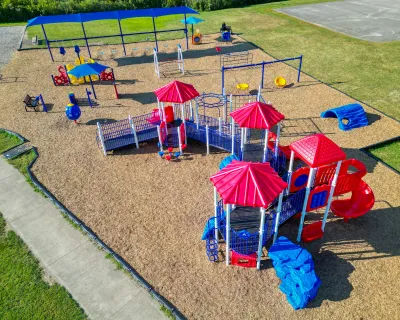
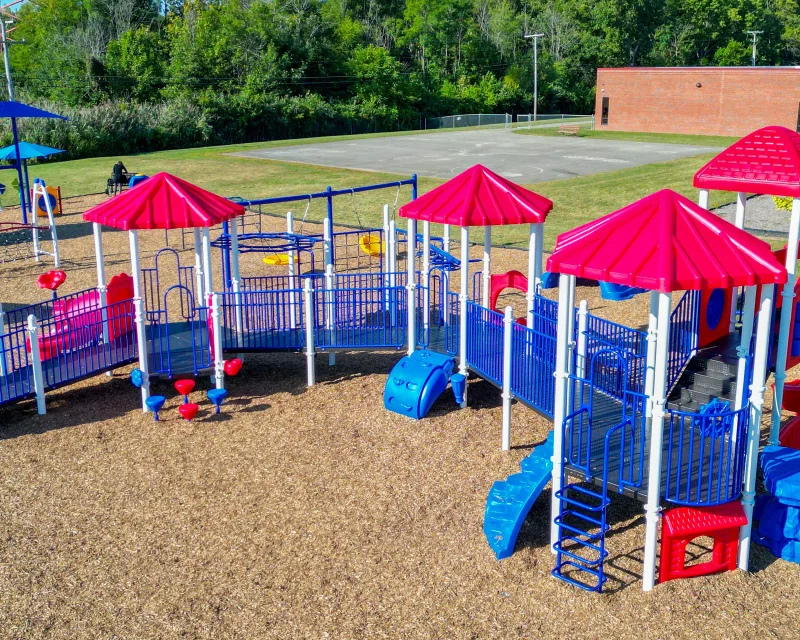
Playgrounds Are Installed Once — but Managed for Years
Public playgrounds are often planned, approved, and funded as if installation marks the end of responsibility.
In reality, installation is only the beginning.
A playground is a physical public space that will be used daily, exposed to weather, wear, and changing site conditions. Over time, the risk profile of that space changes—even when the equipment itself appears structurally sound.
When playgrounds are treated as one-time purchases instead of long-term assets, problems rarely appear immediately. They surface later—during inspections, after complaints, or following preventable injuries.
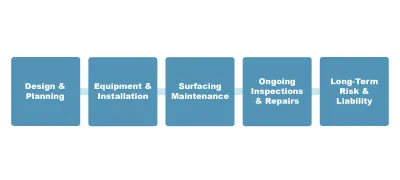
Installation Cost Is Not the Same as Lifecycle Cost
From a public-sector perspective, the true cost of a playground extends well beyond the purchase order that authorizes installation.
Lifecycle cost includes:
- Ongoing surfacing maintenance and replenishment
- Wear-related replacement of components
- Labor required to maintain safe conditions
- Inspection readiness over time
- Budget flexibility for corrective action
These costs are not optional. They are inherent to any playground that remains in active public use.
When lifecycle realities are ignored during planning, agencies are forced into reactive decisions later—often under public scrutiny and with limited options.
Why Surfacing Creates the Greatest Long-Term Exposure
Across public playgrounds, surfacing-related issues are among the most common contributors to preventable injuries.
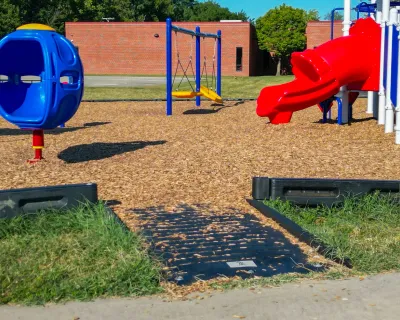
Loose-fill surfacing requires ongoing monitoring and replenishment to maintain effective impact attenuation. Over time, material displacement from use, weather, and erosion reduces protective depth—often without obvious visual warning.
When surfacing maintenance is not planned for:
- Fall-related injuries become more likely
- Inspection outcomes become unpredictable
- Liability exposure increases
- Corrective actions become more disruptive and expensive
These outcomes are rarely the result of poor installation.
They are the result of deferred responsibility.
Inspection Readiness Is an Ongoing Obligation
Passing inspection at the time of installation does not guarantee long-term compliance.
As playgrounds age, inspectors evaluate conditions that change over time, including:
- Surfacing depth and consistency
- Equipment wear and spacing
- Drainage and site stability
- Documentation of maintenance practices
Agencies that budget only for installation often lack the resources to address these issues proactively. The result is reactive maintenance, delayed corrections, and increased exposure during audits or post-incident reviews.
Inspection readiness is not a milestone.
It is an ongoing obligation.
Public Risk Grows Quietly When Planning Stops Early
Public playgrounds operate under shared accountability and public visibility.
When long-term planning is ignored:
- Minor issues become visible failures
- Deferred maintenance creates reputational risk
- Budget surprises strain departments
- Corrective decisions become harder to justify publicly
In most cases, the cost of planning early is significantly lower than the cost of explaining failure later.
What This Means for Public Agencies
Successful playground projects are not defined by installation alone.
They are defined by how well a space performs over time.
Agencies that treat playgrounds as long-term assets are better positioned to:
- Reduce preventable injuries
- Maintain inspection readiness
- Protect public trust
- Manage costs predictably
The safest playgrounds are not necessarily the newest.
They are the ones planned responsibly from the beginning.