AAA State of Play1-877-826-2776
HomeRoom Dividers

Featured Room Dividers

6 products

High-Quality Room Dividers and Partition Walls

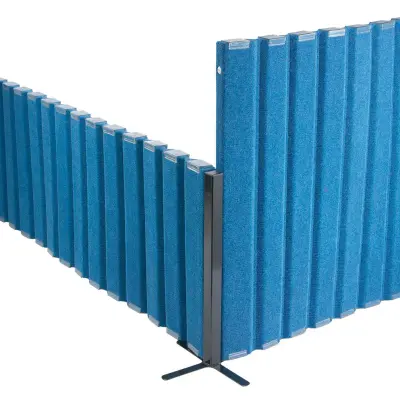
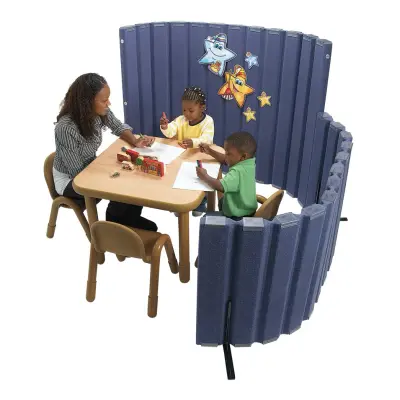
Shop these room dividers for a selection of convenient ways to section off any room. When you have a room full of children, it's not uncommon that their attention is elsewhere. With so many things to see and learn, children often have a hard time focusing on any one activity. Help to eliminate those distractions with portable space dividers. These items can also help to eliminate sound.

Room dividers help transform open classrooms into multi-functional learning spaces: By creating distinct areas, these dividers support focused activities such as reading, group projects, and individual study, improving student engagement and educational outcomes. One-on-one learning and ideal room organization can be achieved with room dividers as well. The potential uses of freestanding room dividers are endless!

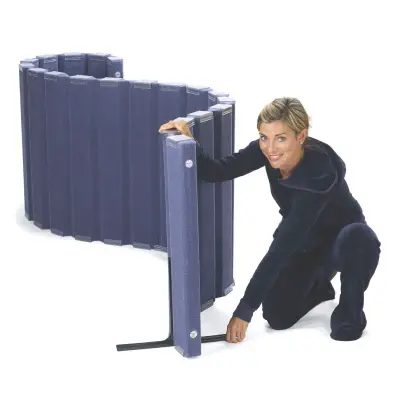
Our room dividers are designed for easy assembly, with clear instructions provided. And we offer a variety of room dividers with customizable features, including different heights, lengths, and finishes. Options like magnetic strips, additional support feet, and corner posts allow for tailored configurations to meet specific classroom needs. Contact us today and we’d be glad to give you a free quote on custom products.

Browse Room Dividers Products

Frequently Asked Questions

What makes classroom dividers effective for autism learning environments?
Classroom dividers for autism environments reduce sensory overload by blocking visual distractions and dampening ambient noise levels. The enclosed spaces help children with autism focus on specific tasks without competing stimuli from other classroom activities. At AAA State of Play, our room dividers create predictable boundaries that many children with autism find calming and supportive for learning.
How do you determine the right height for baby room dividers in daycare settings?
Baby room dividers should be 36 to 48 inches tall for optimal supervision while containing crawling infants. This height allows caregivers to see over the divider while preventing mobile babies from climbing over. Lower heights around 24 inches work for containing non-mobile infants but won't contain toddlers who can pull themselves up.
Can portable room dividers meet licensing requirements for daycare room separation?
Most state licensing agencies accept portable room dividers for creating distinct activity areas, but permanent walls are typically required for infant-toddler separation and diaper changing areas. Check your state's specific square footage and supervision requirements before selecting portable dividers. Some states require dividers to be a minimum height or have specific stability features.
What's the difference between sound-dampening and standard classroom dividers?
Sound-dampening room dividers include acoustic panels or fabric surfaces that absorb noise, reducing sound transmission by 10 to 15 decibels compared to standard hard-surface dividers. Standard dividers primarily block visual distractions but don't significantly reduce noise levels. Sound-dampening models cost 20 to 30 percent more but are essential for speech therapy rooms and quiet learning spaces.