
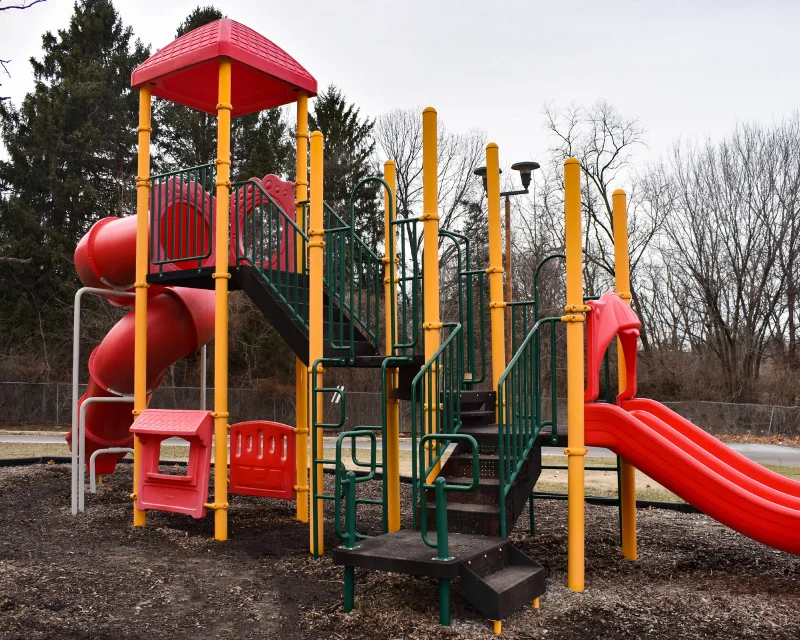
Installation Is the Last Easy Moment
For public playground projects, installation often feels like the finish line.
Budgets are closed, approvals are secured, and the playground is opened for use. At that point, many agencies understandably shift attention elsewhere.
However, installation is not when most playground problems emerge.
It is the last moment when conditions are predictable and corrections are straightforward.
Once a playground is in use, wear begins immediately. Environmental conditions change. Surfacing settles. Equipment shifts. Decisions made earlier begin to surface in real-world conditions.
Why Early Success Can Be Misleading
A playground that passes inspection at installation is not guaranteed to remain compliant over time.
Early success often creates a false sense of security. When a playground performs well in its first months of use, underlying vulnerabilities can go unnoticed.
Common assumptions include:
- Surfacing will remain at required depth
- Equipment spacing will not change
- Drainage patterns will remain stable
- Maintenance needs will be minimal
These assumptions are rarely challenged until conditions change or an inspection occurs later.
Wear Does Not Happen Evenly
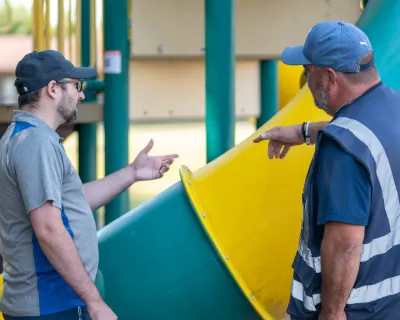
Playground wear is not uniform.
High-traffic areas experience compaction faster. Weather exposure varies across the site. Drainage issues emerge gradually. Equipment movement can alter required clearances.
Over time, these uneven changes create conditions that were not present—or not visible—at installation.
Because these changes happen incrementally, they often go unnoticed during routine use. They become visible only when measured, inspected, or questioned.
Inspection Issues Are Often Lagging Indicators
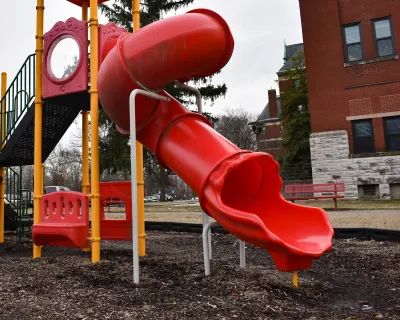
Many inspection findings reflect decisions made months or years earlier.
When inspectors identify surfacing deficiencies, spacing issues, or accessibility concerns, the root cause is rarely a single failure. It is usually a pattern of deferred monitoring or maintenance.
Inspection issues tend to surface:
- After surfacing has settled or eroded
- When equipment movement affects use zones
- When drainage or grading changes over time
- When documentation cannot account for site conditions
By the time these issues appear in inspection reports, correction is often more disruptive and more costly.
Documentation Gaps Become Visible Later
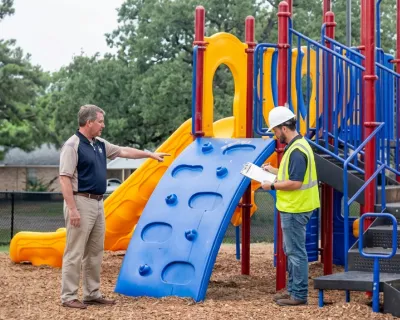
Documentation rarely matters until it does.
Maintenance logs, inspection reports, and corrective action records are often overlooked during periods of normal operation. When a playground is functioning without incident, documentation can feel secondary.
However, documentation becomes critical when:
- An inspection raises questions
- A complaint is filed
- An incident occurs
- A review is conducted months or years after installation
At that point, missing or incomplete records create exposure even if physical conditions appear acceptable.
Why Reactive Corrections Are More Difficult
Addressing issues after installation introduces constraints that do not exist earlier.
Reactive corrections must account for:
- Ongoing public use
- Budget cycles already closed
- Increased visibility and scrutiny
- Limited flexibility to adjust layouts or materials
Corrections that could have been addressed easily during planning or early maintenance often become complex once a playground is fully operational.
What This Means for Public Agencies
Public playground success should not be measured at installation.
It should be evaluated over time.
Agencies that recognize installation as the beginning—not the end—of responsibility are better positioned to:
- Identify issues before they escalate
- Maintain inspection readiness
- Address wear and change proactively
- Defend decisions with documentation and records
The playgrounds that perform best over time are not those that looked perfect on opening day.
They are the ones monitored, maintained, and documented consistently after installation.
Final Perspective
Most playground problems do not emerge suddenly.
They appear gradually, as conditions change and early decisions are tested by time.
Recognizing installation as the last easy moment allows public agencies to plan for what comes next—before problems become visible, disruptive, or public.